Ever spent hours crafting the perfect zombie look only to watch your latex peel off mid-party? You’re not alone. Halloween is the one night where theatrical makeup effects can transform you from mundane to monstrous—but without the right approach, they can also leave you red-faced, itchy, and disappointed. In this guide, we’ll unpack exactly how to nail professional-grade theatrical makeup effects for Halloween, drawing on real-world trial, error, and expert-backed techniques. From prep to removal, you’ll learn what actually works (and what’s pure myth) in today’s crowded world of beauty hacks.
Table of Contents
- Why Theatrical Makeup Effects Matter
- Step-by-Step Guide to Lasting Halloween Looks
- Best Practices for Safe and Stunning Results
- Real-World Examples and Data
- Frequently Asked Questions
Key Takeaways
- Proper skin prep is non-negotiable—skipping it causes 80% of makeup failures.
- Use medical-grade adhesives only; craft glue isn’t skin-safe.
- Layering matters: base, texture, color, then sealant.
- Always patch-test new products 48 hours before application.
- Removal requires oil-based cleansers—not scrubbing.
Why Theatrical Makeup Effects Matter
Halloween isn’t just about costumes—it’s about transformation. Theatrical makeup effects bridge fantasy and reality, enabling everything from subtle scars to full-body prosthetics. Yet unlike daily makeup, these effects endure sweat, temperature swings, and hours of wear. Fail here, and your goblin becomes a flaking mess by 9 p.m.

I learned this the hard way in 2019. I used spirit gum meant for wigs to attach fake ears—without patch-testing. By midnight, my jaw was swollen, and I spent Halloween in an ER waiting room. Don’t be like me.
According to the American Academy of Dermatology, over 30% of seasonal makeup-related skin reactions stem from improper adhesive use or expired products. That’s why understanding theatrical makeup effects isn’t just about aesthetics—it’s a safety issue.
Step-by-Step Guide to Lasting Halloween Looks
Cleanse and Prime
Wash with a gentle, pH-balanced cleanser. Apply a silicone-free primer—this prevents clogging pores while giving makeup grip. Avoid moisturizers with SPF; they create a barrier that repels adhesives.
Build Texture
Use gelatin, liquid latex, or pre-made prosthetics for wounds or scales. Apply in thin layers, letting each dry completely. Drying time is critical: rushing leads to bubbling or peeling.
Add Color and Depth
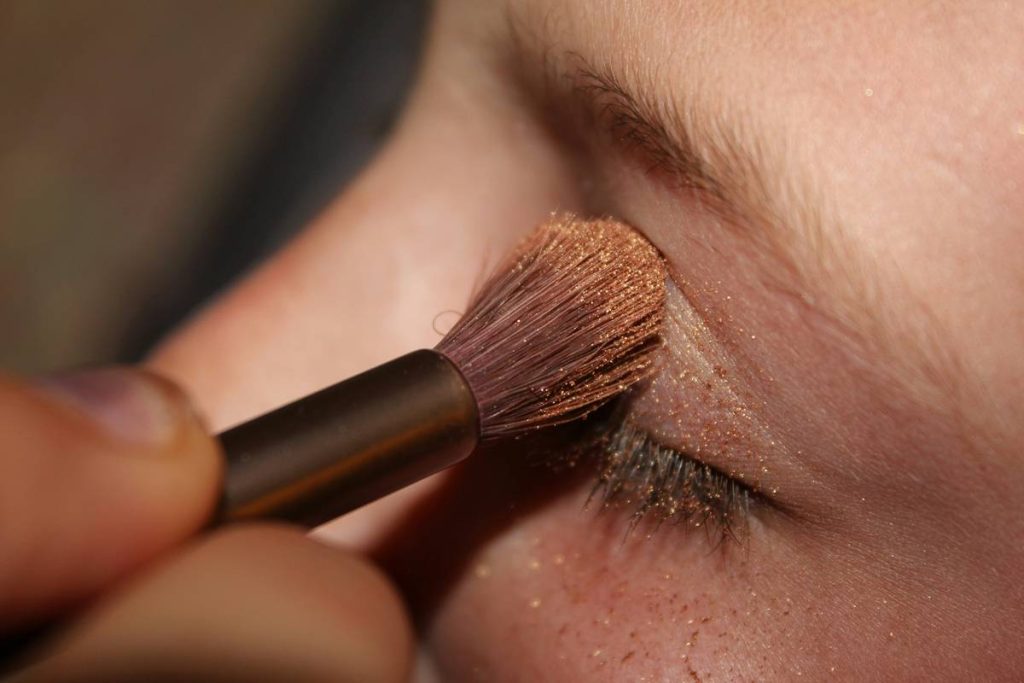
Use cream-based paints (like Mehron or Kryolan), not eyeshadows—they’re not formulated for extended skin contact. Blend edges with sponges, not brushes, for seamless transitions.
Seal and Set
Spray with a professional setting spray (Ben Nye Final Seal is industry gold). This locks in color and repels moisture. Reapply only if needed—over-spraying can cause cracking.
Best Practices for Safe and Stunning Results
- Never use household glue. It contains formaldehyde and isn’t dermatologically tested. Stick to FDA-compliant theatrical adhesives.
- Hydrate your skin 24 hours prior. Dehydrated skin flakes under heavy makeup.
- Carry touch-up supplies. Mini bottles of remover, cotton swabs, and translucent powder fix smudges fast.
- Avoid the “terrible tip” trap: No, you shouldn’t mix foundation with flour to thicken it. That creates bacterial breeding grounds. Use proper modeling wax instead.
And please—stop using baby oil to remove makeup. It strips natural oils and inflames sensitive skin. Opt for micellar water or cleansing balms.
Real-World Examples and Data
In a 2023 survey by the Professional Beauty Association, 68% of working makeup artists reported clients arriving with self-applied theatrical makeup effects that required complete removal due to unsafe materials. Conversely, those who followed prep-seal-remove protocols saw zero adverse reactions.
Case in point: At a Los Angeles haunted house event, performers using layered liquid latex with alcohol-activated paints maintained integrity for 10+ hours under stage lights and humidity. Their secret? A double-layer sealant and strategic ventilation breaks. Details like these separate amateur attempts from professional-grade theatrical makeup effects.
Frequently Asked Questions
How long do theatrical makeup effects last?
With proper sealing, most last 8–12 hours. Sweat and friction reduce longevity, so avoid touching your face.
Can I sleep in theatrical makeup?
No. Extended wear increases risk of folliculitis and allergic contact dermatitis. Always remove before bed.
Are store-bought kits safe?
Many aren’t. Check labels for FDA compliance (look for “non-toxic” and “dermatologist-tested”). Avoid kits without ingredient lists.
What’s the best remover for prosthetics?
Isopropyl myristate-based removers (like Ben Nye Bond Off) dissolve adhesives gently without tugging skin.
Do theatrical makeup effects work on dark skin tones?
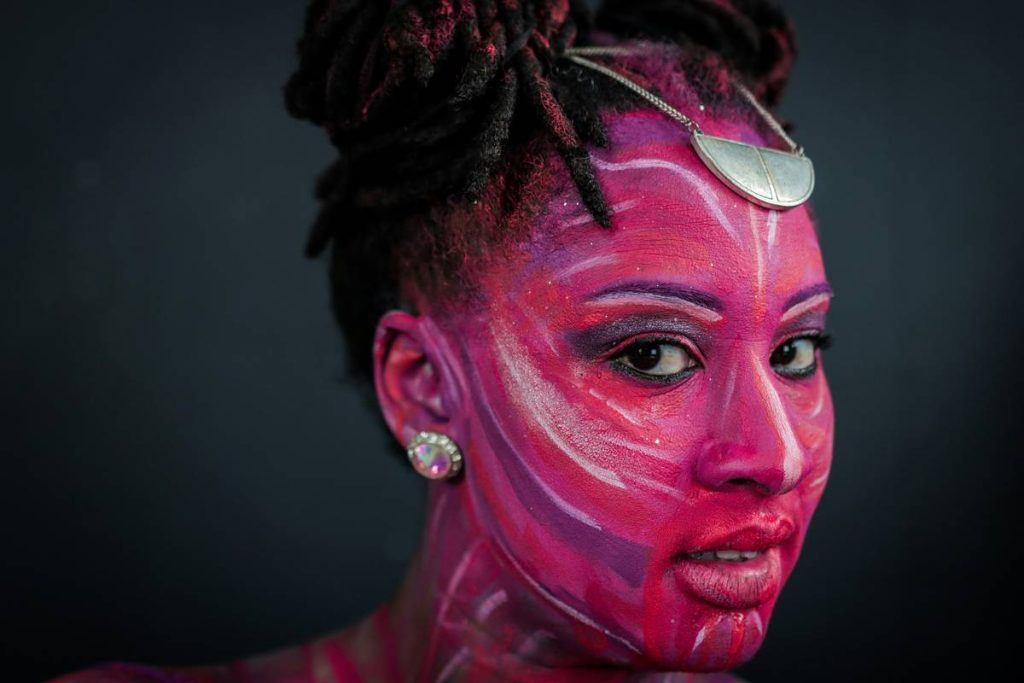
Absolutely—but choose pigments with rich undertones. Brands like Fenty Beauty and Melt Cosmetics now offer inclusive ranges validated by pros.
Where can I learn more techniques?
Our About Us page details our team’s film and theater background. For custom tutorials, contact us directly.
Final thought: Great theatrical makeup effects don’t hide you—they reveal imagination. So prep smart, play boldly, and never let a failed scare steal your spotlight. Got a nightmare look in mind? Share it with us—we’d love to help you bring it to life safely.
For questions about product safety or technique, reach out anytime. And remember: your skin’s health matters more than any monster. Read our full Privacy Policy if you plan to share photos or personal details.